
If you’re searching for mold remediation services in Denver, you’re likely dealing with a situation that feels confusing and maybe even a little overwhelming. Maybe you’ve noticed a musty smell after a basement leak, or discoloration near a window after a snowstorm melted. In Denver and across Jefferson County, moisture issues often come from sudden water events, and when they aren’t addressed fully, mold follows.
Understanding how mold develops and how professional remediation works gives you a clear path forward, whether you own a home in Lakewood, manage a property in Arvada, or oversee a commercial building in downtown Denver.
Understanding Mold Problems in Denver Homes
Mold grows when moisture sits on materials long enough to support it. In homes across Denver, drywall, wood framing, and insulation provide ideal surfaces when water intrusion occurs.
This is not just a surface issue. Mold indicates that moisture has been present longer than it should be. Industry standards connect microbial growth directly to unresolved water intrusion and incomplete drying after a water event .
In Colorado’s climate, many homeowners assume dry air prevents mold. But inside the home, trapped moisture from leaks, snowmelt, or plumbing issues creates a completely different environment.
What Causes Mold Growth in Jefferson County Properties
In Denver, Golden, and Littleton, mold often begins with everyday issues that don’t seem urgent at first. A pipe leak behind a wall. Ice damming on a roof during winter. A sump pump failure in a basement.
Basements and crawlspaces in areas like Wheat Ridge and Westminster are especially vulnerable. When water enters and airflow is limited, moisture lingers and spreads through surrounding materials.
Small problems grow quickly when moisture is left untreated. What starts as a damp spot becomes a larger contamination area that requires professional remediation.
Health Concerns Linked to Mold Exposure
When mold develops indoors, it changes the air you breathe. Some people notice irritation quickly, while others experience symptoms that build over time, such as congestion or fatigue.
In Denver homes, families often connect these symptoms to indoor conditions after a professional inspection reveals hidden mold. Children, older adults, and individuals with sensitivities tend to feel the effects sooner.
Air circulation plays a role. HVAC systems move particles throughout the home, which is why containment and filtration are built into the remediation process.
Signs Mold May Be Present in Your Property
Visible signs include dark spots, staining, or warped materials. These usually point to areas where moisture has been sitting.
Hidden mold is more subtle. A persistent musty odor or allergy-like symptoms that improve when you leave the property often point to something behind walls or under flooring.
Mildew stays on the surface. Mold spreads deeper into materials, which changes how it needs to be handled.
Why Professional Mold Remediation Matters in Denver
Surface cleaning does not solve the underlying issue. Without identifying and correcting the moisture source, mold will return.
Professional remediation follows standards like ANSI/IICRC S520, which define how to contain, remove, and clean contamination safely .
At Rytech Restoration of Greater Denver, the process focuses on moisture detection, controlled containment, and detailed cleaning. Advanced drying technology helps stabilize the environment, while careful removal of affected materials prevents further spread.
How Mold Inspection and Testing Works
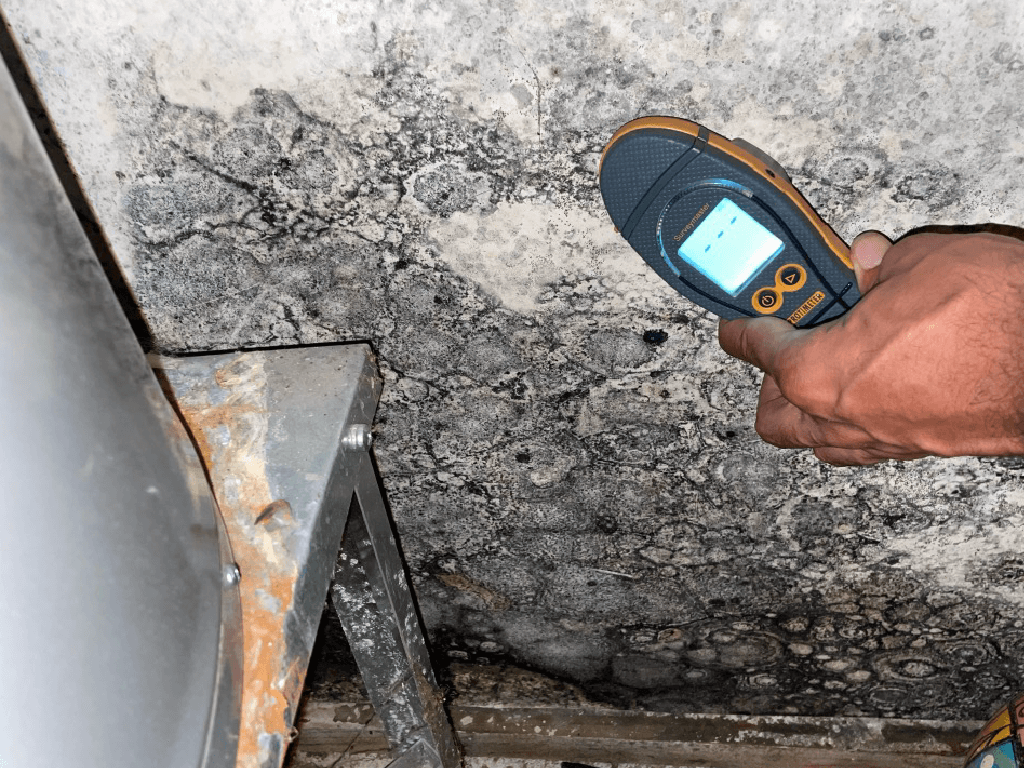
Every successful project starts with understanding the scope of the issue. Visual inspections provide initial clues, but advanced moisture detection tools reveal hidden conditions.
Technicians measure moisture levels in walls, flooring, and ceilings. In certain cases, air sampling or surface testing helps define the extent of contamination, especially in larger homes or commercial properties in Denver and surrounding cities.
This step ensures that nothing is overlooked before remediation begins.
What Happens During the Mold Remediation Process
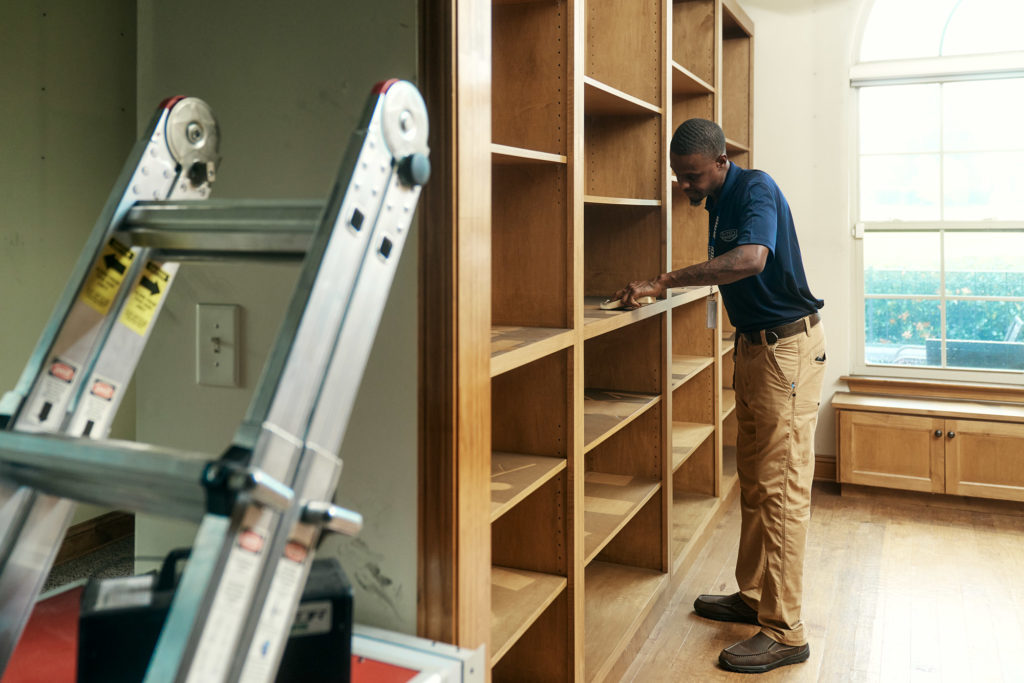
Containment is the first step. Barriers and negative air pressure isolate the affected area so contamination does not spread.
Air filtration systems capture airborne particles during the process. Materials that cannot be restored are carefully removed, while structural elements are cleaned using professional methods designed to reduce contamination.
Detailed documentation supports every stage of the project, keeping property owners, managers, and insurance partners informed.
Timeline and What You Can Expect
The timeline depends on how far mold has spread and how long moisture has been present. Smaller areas may take a few days, while larger homes in Highlands Ranch or commercial properties in Broomfield may take longer.
Communication remains consistent throughout the process, providing clarity at every stage.
Post-Remediation Verification and Indoor Air Quality
After remediation, the focus shifts to confirming results. The goal is to return indoor conditions to a normal state.
Post-remediation verification may include third-party indoor air quality testing when needed. Industry practices emphasize confirming that contamination has been addressed effectively before normal occupancy resumes .
Understanding Costs and Insurance Support
Costs vary based on the size of the affected area, the materials involved, and the severity of contamination. Many mold issues originate from a covered water event such as a burst pipe or appliance failure.
For property owners, the insurance process may feel unfamiliar. Rytech Restoration of Greater Denver works closely with insurance professionals, providing clear documentation and helping guide the process from inspection to completion.
DIY Mold Removal Compared to Professional Help
Small surface areas might be manageable with proper cleaning, but deeper contamination requires a structured approach. Without containment and proper removal, spores spread and impact additional areas.
Professional remediation combines training, equipment, and process to address both visible mold and underlying moisture conditions.
Preventing Mold from Returning in Denver Homes
Prevention comes down to controlling moisture. Regular inspections, proper ventilation, and quick response to leaks all help reduce the risk of future issues.
In Denver, monitoring basements after snowmelt and checking attic ventilation during seasonal changes can prevent moisture buildup.
Smart Improvements for Long-Term Protection
Upgrading materials in moisture-prone areas adds another layer of protection. Mold-resistant drywall, improved insulation, and ventilation systems support a more stable indoor environment.
These improvements reduce how moisture interacts with building materials over time.
Safety Standards That Guide the Process
Mold remediation follows established guidelines designed to protect occupants and technicians. The ANSI/IICRC S520 standard provides the framework for managing contamination and verifying results .
These standards guide how projects are planned, executed, and documented.
Choosing the Right Mold Remediation Partner in Denver
Local experience matters, especially in a region with unique weather patterns and building styles. Homes across Jefferson County often include basements and materials that respond differently to moisture.
“In Denver, we see mold tied to snowmelt, basement moisture, and hidden plumbing leaks. Many homes have areas where water can sit unnoticed, especially during seasonal changes. Our team focuses on finding the source first and controlling the environment so property owners get lasting results.”
Dan Powell, Owner, Rytech Restoration of Greater Denver
Preparing Your Home Before and After Remediation
Before remediation begins, clearing access to affected areas helps technicians work efficiently. During the process, keeping family members and pets away from containment zones maintains a controlled environment.
After completion, monitoring humidity levels and staying alert to new moisture issues helps protect your property.
Local Experience Across Denver and Surrounding Areas
From residential homes in Denver to commercial properties in Lakewood, Arvada, Centennial, and Englewood, every structure presents unique challenges. Local knowledge helps identify moisture patterns and solutions faster.
If you’re dealing with a mold concern, explore professional mold remediation services in Denver and see how a structured, science-based approach restores your property and indoor environment.
Get Inspected to Stay Protected
If something feels off in your home, whether it’s a smell, a stain, or concern after water damage, taking action early limits how far the issue spreads.
FAQs About The Home Mold Remediation Process
If you're seeking a reliable mold remediation service in Denver, CO, you likely have inquiries about the process, the variety of services provided, and navigating insurance claims. In this setting, we tackle common queries, providing clarity on what to expect when you choose Rytech Restoration of Greater Denver for your mold remediation needs.


