

Mold can take hold in any property when moisture lingers—and in Denver, fluctuating temperatures, snowmelt, and the occasional basement leak make it a persistent issue. Whether it’s a commercial space in downtown Denver or a home in Littleton, Centennial, or Arvada, excess moisture can create the perfect conditions for mold to grow.
At Rytech Restoration of Greater Denver, our IICRC-certified mold remediation technicians in Denver use advanced technology and follow the ANSI/IICRC S520 Standard for Professional Mold Remediation to safely remove mold and restore healthy indoor air quality. Our process is rooted in science, built on decades of experience, and backed by a local team that understands Colorado’s climate and construction types.
What Causes Mold Growth in Denver Homes and Buildings
Denver’s semi-arid climate might seem too dry for mold, but localized moisture events tell a different story. Melting snow around foundations, roof leaks after hailstorms, or plumbing issues inside walls can all trap moisture where mold thrives.
High-efficiency homes with tight insulation, while energy-efficient, can also limit airflow and create humidity pockets that feed mold growth—especially in basements or around bathrooms without proper ventilation. Detecting these issues early prevents minor damage from becoming a large-scale problem.
Health Risks Associated With Mold Exposure
Mold affects more than property—it impacts health and comfort. Short-term exposure can lead to coughing, itchy eyes, and headaches. Long-term exposure can aggravate asthma, trigger sinus problems, and affect indoor air quality.
Sensitive groups, including children, the elderly, and individuals with respiratory conditions, are especially vulnerable. Professional remediation reduces airborne spores, restoring clean, breathable air for occupants.
How to Identify Mold Problems in Your Property
Mold isn’t always visible. Sometimes, the first sign is a musty odor in a finished basement, attic, or crawlspace. Common visual clues include:
- Discoloration or stains on drywall or ceilings.
- Warped baseboards or flooring.
- Peeling paint near windows or around bathrooms.
- Persistent allergy-like symptoms that worsen indoors.
If these issues sound familiar, a professional mold inspection can uncover the source of the moisture and confirm whether remediation is needed.
Mold Inspection and Testing Procedures
Accurate assessment is the foundation of effective mold remediation. Rytech technicians use moisture meters, thermal imaging, and air sampling equipment to locate hidden moisture and measure spore concentrations.
These findings determine the full scope of contamination and guide the remediation plan. Following IICRC S520 protocols ensures that every step—from containment to cleaning—is completed safely and effectively.
Step-by-Step Mold Remediation Process
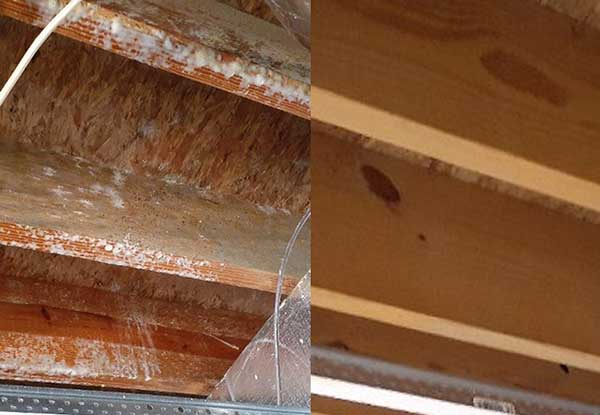
Mold remediation isn’t about wiping away visible growth—it’s about removing the cause and restoring indoor safety. Rytech’s structured process ensures complete containment, removal, and verification:
- Inspection and Assessment – Identify moisture sources and mold-affected areas.
- Containment – Seal off contaminated spaces to prevent spore spread.
- Air Filtration – Use HEPA-filtered air scrubbers and negative air pressure systems.
- Mold Removal – Clean, remove, and dispose of affected materials.
- Cleaning and Sanitization – Wipe surfaces and sanitize the environment.
- Drying and Dehumidification – Remove all remaining moisture.
- Post-Remediation Verification – Confirm that the property meets safe conditions.
This approach protects both property and occupants, whether it’s a single-family home or a large commercial space in Jefferson County.
Containment and Air Filtration Techniques
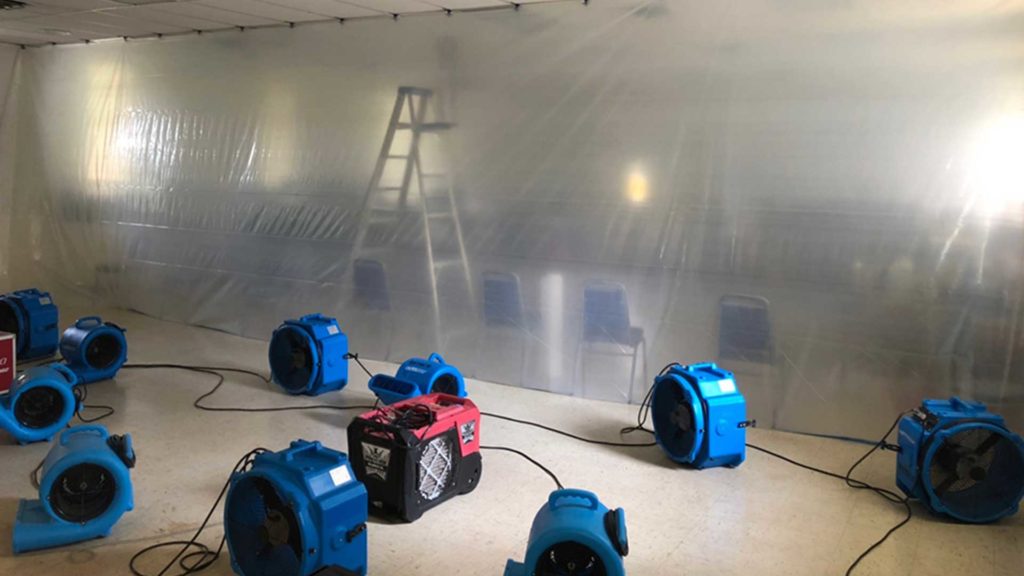
Containment is the key to preventing cross-contamination. Rytech’s team isolates affected areas using poly sheeting, zip walls, and negative air pressure systems to ensure spores don’t escape into clean zones.
Meanwhile, HEPA air scrubbers continuously run throughout the remediation, capturing airborne particles and maintaining clean indoor air quality. This is especially critical in multi-unit buildings or properties with central HVAC systems.
Mold Removal Tools and Equipment
Professional remediation involves specialized tools that go far beyond ordinary cleaning products. Rytech uses HEPA vacuums, wire brushes, and industrial-grade antimicrobial solutions to remove contamination from hard surfaces and framing materials.
When materials like drywall or carpet can’t be restored, they are safely removed and replaced under strict containment procedures.
Drying and Dehumidification
Mold can’t grow without moisture, so drying is the final—and most critical—phase of remediation. Using professional-grade dehumidifiers and air movers, technicians bring moisture levels back to normal.
Moisture readings are taken throughout the process to ensure equilibrium is achieved, following ANSI/IICRC S500 standards for professional water damage restoration.
Preventing Future Mold Growth
Prevention begins with moisture control. Property owners across Denver, Lakewood, and Highlands Ranch can reduce risk by:
- Repairing roof and plumbing leaks quickly.
- Maintaining consistent airflow in high-humidity areas.
- Using exhaust fans in bathrooms and kitchens.
- Monitoring basements and crawlspaces for moisture buildup.
These small actions keep homes and commercial buildings healthy year-round, even through Denver’s wet spring and snowy winters.
When to Hire Certified Mold Remediation Professionals
Mold remediation is a specialized process that requires professional certification, safety training, and specialized equipment. Rytech Restoration of Greater Denver brings decades of combined experience and local expertise to every project.
“Denver’s varying temperatures and elevation can make moisture control tricky, especially in basements and older homes,” says Dan Powell, owner of Rytech Restoration of Greater Denver. “Our team knows how Colorado’s climate affects building materials—and we use that knowledge to dry and restore structures the right way.”
Dan Powell, Owner, Rytech Restoration of Greater Denver
Costs Associated with Mold Remediation
The cost of remediation depends on the affected area’s size, the type of materials involved, and the contamination level. Smaller residential jobs may be straightforward, while large commercial projects often require additional containment and verification.
Every Rytech project includes clear pricing, moisture documentation, and full transparency throughout the process.
Insurance Coverage for Mold Damage
Mold remediation may be covered under homeowners’ or commercial property insurance if it stems from a sudden and accidental event, such as a burst pipe or storm-related leak.
Rytech’s experienced team helps clients document moisture sources, inspection results, and the full remediation process to streamline communication with insurance carriers and adjusters.
Post-Remediation Verification and Clearance Testing
After remediation, the final step is confirming that the property meets safety and cleanliness standards. Independent testing may include air quality analysis and surface sampling to ensure spore counts are within acceptable limits.
This verification provides property owners and insurance partners with confidence that remediation was successful and the environment is safe for reoccupation.
DIY vs. Professional Mold Remediation
While small patches of mold on hard surfaces can sometimes be cleaned safely, extensive or recurring contamination requires professional handling. Without proper containment, DIY efforts often spread spores, making the problem worse.
Professional remediation ensures thorough containment, cleaning, and drying, along with documentation required for insurance and compliance.
Legal and Regulatory Compliance
Mold remediation in Colorado must comply with both local environmental standards and IICRC S520 professional guidelines. Certified technicians like those at Rytech Restoration ensure all procedures meet or exceed industry and regulatory requirements.
This compliance protects property owners, managers, and insurance professionals by providing verifiable documentation for every project.
Get Inspected to Stay Protected
From snowmelt moisture in Lakewood basements to plumbing leaks in Denver office buildings, Rytech Restoration of Greater Denver helps restore properties safely and efficiently.
If you’ve noticed mold growth or moisture issues, don’t wait—get inspected to stay protected.
FAQs About The Home Mold Remediation Process
If you're seeking a reliable mold remediation service in Denver, CO, you likely have inquiries about the process, the variety of services provided, and navigating insurance claims. In this setting, we tackle common queries, providing clarity on what to expect when you choose Rytech Restoration of Greater Denver for your mold remediation needs.


