
Understanding Secondary Damages from Water and Mold: What Denver Property Owners Need to Know
When water or mold damage affects a property, what you see is often just the beginning. While the initial damage may seem manageable, the real threat frequently comes afterward through secondary damages—issues that develop when moisture, contamination, or compromised materials are not quickly and properly addressed.
At Rytech Restoration of Greater Denver, we help homeowners, business owners, and property managers understand what secondary damages are, why they matter, and most importantly, how to prevent them through immediate, expert action.
What Are Secondary Damages?
Secondary damages refer to the additional, often preventable damage that occurs after the initial water or mold event. If mitigation and drying efforts are delayed or incomplete, moisture and contaminants can spread beyond the original affected area, leading to far greater restoration challenges.
Common examples of secondary damages include:
- After Water Damage:
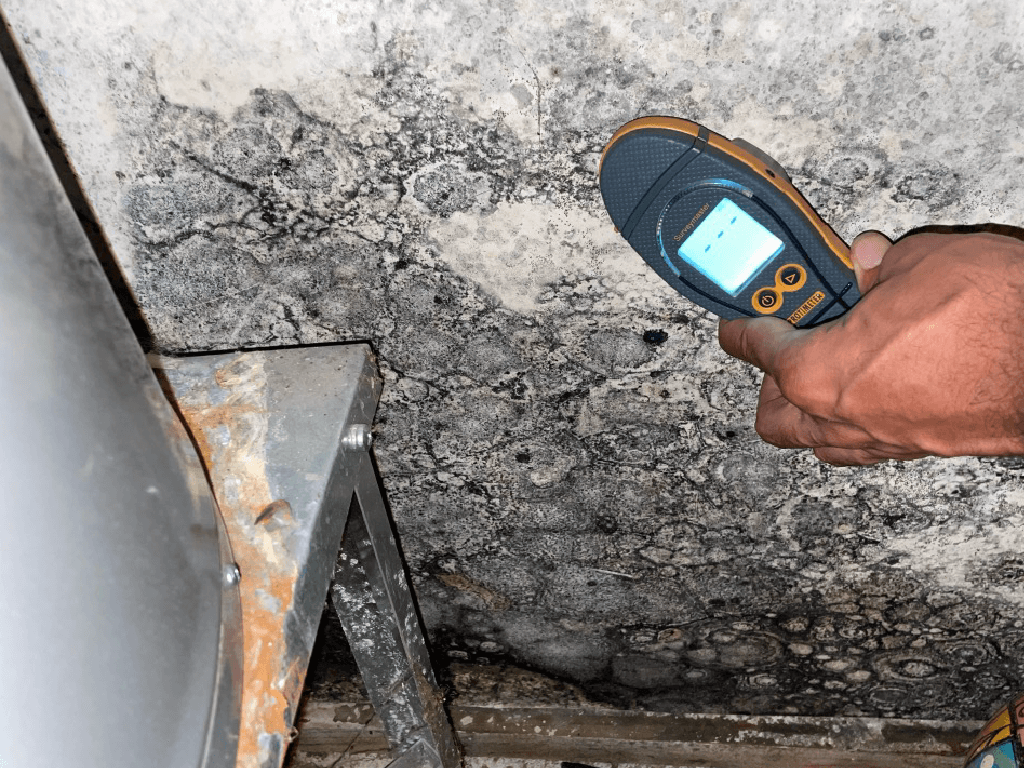
- Mold growth behind walls and inside floors
- Wood warping and rot
- Electrical system corrosion
- Insulation and drywall deterioration
- After Mold Damage:
- Airborne mold spores infiltrating HVAC systems
- Structural weakening of framing, drywall, and flooring
- Chronic indoor air quality issues leading to health concerns
In short, secondary damage compounds the original loss, making restoration more complex, costly, and time-consuming.
Unique Challenges in Greater Denver
"In Greater Denver, we face unique challenges—like sudden snowmelt, spring flooding, and high summer humidity—that can accelerate secondary damage if action isn't taken quickly," says the owner of Rytech Restoration of Greater Denver.
Our region’s climate is dynamic and often unpredictable. Spring snowmelt from the Rocky Mountains frequently leads to ground saturation and water intrusion. Sudden summer storms can overwhelm drainage systems, causing flash floods even in urban neighborhoods. Hailstorms, common between April and September, often result in roof damage that creates pathways for hidden water intrusion."
Dan Powell, Owner, Rytech Restoration of Greater Denver
How Rytech Restoration of Greater Denver Prevents Secondary Damage

At Rytech Greater Denver, we follow a methodical, proven approach rooted in IICRC industry standards (specifically the ANSI/IICRC S500 for water damage and S520 for mold remediation) to stop secondary damage before it starts.
Our services include:
- Thorough Moisture Mapping and Inspections:
We use advanced tools like thermal imaging cameras, moisture meters, and hygrometers to identify both visible and hidden water pockets. - Rapid Drying and Dehumidification:
Industrial-grade air movers and Low Grain Refrigerant (LGR) dehumidifiers accelerate drying to prevent mold growth and structural damage. - Certified Mold Remediation:
Containment, removal, HEPA filtration, and antimicrobial treatments ensure that mold colonies are fully eradicated and prevented from returning. - Comprehensive Documentation:
We provide clear reports, photo documentation, and moisture tracking logs to support insurance claims and ensure full transparency throughout the project.
Choosing Rytech Restoration means choosing a trusted team that is not only trained to national standards but also deeply familiar with Greater Denver’s unique risks and building conditions.
What Property Owners Risk Without Proper Action
When secondary damages are not addressed swiftly, property owners face a range of serious consequences:
Immediate Risks:
- Mold colonies form within 24 to 48 hours
- Soot residue etching into surfaces if smoke damage is involved
- Water saturation weakening building materials like drywall and wood framing
Long-Term Risks:
- Costly structural repairs, including full wall or flooring replacements
- Persistent air quality issues, posing health risks to occupants
- Decreased property value and potential challenges with future real estate transactions
- Increased business downtime for commercial properties, leading to revenue loss
Taking the Right Next Steps

If you have experienced any water event or discovered signs of mold, here is what you should do immediately:
- Schedule a professional inspection:
Even minor incidents should be evaluated by certified restoration experts who can detect hidden risks. - Avoid relying on visual inspections alone:
Hidden moisture behind walls, under floors, and inside insulation often leads to secondary damage if not detected early. - Work with a certified, local professional:
Rytech Restoration of Greater Denver is IICRC-certified and deeply familiar with the specific challenges of Colorado properties.
Acting quickly can mean the difference between a straightforward restoration and a long, expensive remediation process.
Protect Your Property and Your Peace of Mind
Secondary damages are preventable, but only if the right steps are taken immediately after a water or mold incident. Waiting can lead to escalating problems that affect not only the structure of your property but also the health of everyone inside.
At Rytech Restoration of Greater Denver, we bring over 30 years of national experience, local expertise, and strict adherence to IICRC standards to every project. Our team is ready to help you protect your investment, minimize damage, and restore your property with professionalism and care.
Contact Rytech Restoration of Greater Denver Today
Need expert help after water or mold damage?
Call Rytech Restoration of Greater Denver now for a fast, professional assessment and rapid response.
Your property deserves expert protection. Let Rytech Greater Denver be your trusted partner in recovery.
FAQs about Secondary Damage in Denver, Colorado
After experiencing water damage or discovering mold growth, many homeowners and property managers across the Denver area are looking for trusted guidance to protect their properties and restore safe, healthy indoor environments. At Rytech Greater Denver, we’re dedicated to making the recovery process straightforward and stress-free. That’s why we’ve answered some of the most common questions about water and mold restoration timelines, what the process involves, and what you can expect when you call on our team of IICRC-certified professionals.


