
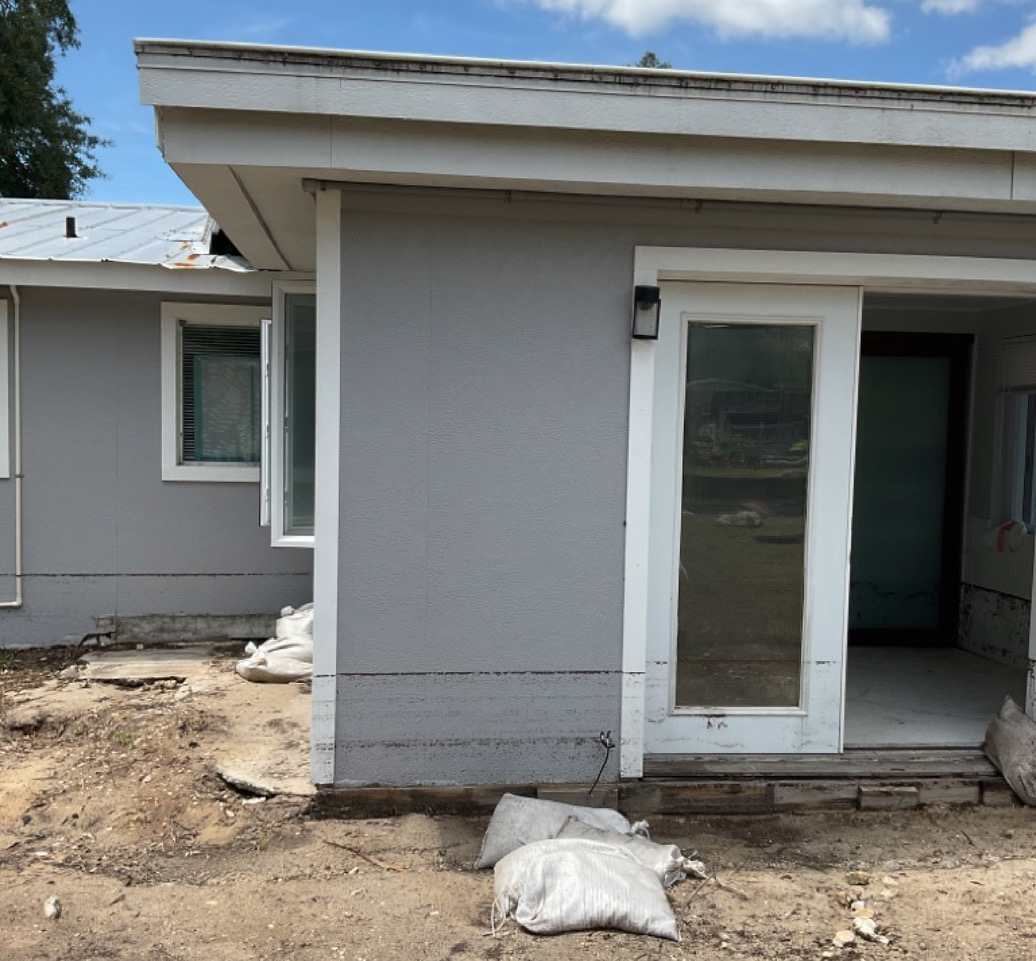
Flooding in Denver, CO often catches property owners off guard. A spring snowmelt overwhelms drainage systems in Jefferson County. A frozen pipe bursts in Arvada during a sudden temperature drop. A sump pump fails in a Lakewood basement after heavy rain. Within minutes, water travels under flooring, behind drywall, and into structural cavities.
From historic homes in Golden to commercial buildings in downtown Denver and retail centers in Highlands Ranch, structures across the Front Range respond differently to moisture. Knowing what to expect after flooding allows property owners, managers, insurance professionals, and referral partners to move forward with clarity and confidence. Here’s how the restoration process works and how Rytech Restoration of Greater Denver leads that recovery.
Immediate Safety Precautions After Flooding
When water enters your home or commercial property, focus first on safety. Standing water can hide electrical hazards, structural weaknesses, and slippery surfaces.
If conditions are safe, turn off power to affected areas at the breaker panel. Shut off gas lines if appliances were exposed. Avoid walking across saturated hardwood floors or swollen laminate, especially in finished basements common throughout Denver, Littleton, and Centennial. In colder months, frozen pipe breaks may continue leaking until the supply is shut off.
Protective gloves, rubber boots, and masks reduce exposure while you wait for professional responders. Limiting foot traffic also prevents further structural damage.
Professional Water Damage Assessment in Jefferson County and Beyond
When our team arrives, we follow the ANSI/IICRC S500 Standard for Professional Water Damage Restoration. This standard outlines how water losses must be inspected, categorized, documented, and dried.
Water does not stay where you see it. It wicks into drywall, insulation, framing, and subfloors. Using professional moisture meters and infrared thermal imaging, we identify hidden moisture behind walls and beneath flooring systems. This step matters in Denver’s variable climate, where dry air can create the illusion of surface dryness while internal materials remain saturated.
A detailed inspection produces measurable data. That data guides the drying strategy and ensures the process is controlled and efficient.
Understanding Water Contamination Categories
Water damage falls into three categories based on contamination level.
Clean water typically originates from supply lines or melting snow intrusion. Gray water may come from appliances such as washing machines or dishwashers. Black water includes sewage backups or floodwater entering from outside sources, especially during severe weather events in lower elevations of Denver or areas near creeks and drainage channels.
Water left untreated changes category over time. Clean water becomes more contaminated as it interacts with building materials. Rapid mitigation limits health risks and structural deterioration.
24/7 Emergency Response in Greater Denver
Flooding does not wait for regular business hours. A pipe may burst overnight in Westminster. A commercial line may rupture in Greenwood Village during a holiday weekend.
Rytech Restoration of Greater Denver provides 24/7 emergency services because rapid response will reduce material damage and shorten drying time. During the initial call, we gather information about the source, duration, and safety conditions. Our IICRC-certified technicians arrive with commercial extraction equipment, air movers, and dehumidifiers designed for large-scale structural drying.
If you are searching for a professional water damage restoration company in Denver, our team combines local expertise with national support, advanced technology, and decades of restoration leadership.
Water Extraction and Controlled Structural Drying
Standing water must be removed quickly. Commercial-grade extraction units eliminate bulk water from carpets, hardwood, and tile surfaces.
Drying is a scientific process. According to the S500 standard, effective structural drying requires managing temperature, airflow, and humidity simultaneously. Air movers accelerate evaporation from wet surfaces. Dehumidifiers remove moisture from the air, preventing secondary damage.
Denver’s dry climate can assist evaporation, but without proper dehumidification, moisture can migrate into adjacent materials. Daily moisture readings confirm progress and guide equipment adjustments. Controlled drying restores materials to appropriate moisture levels and protects structural integrity.
Mold Prevention and Professional Remediation
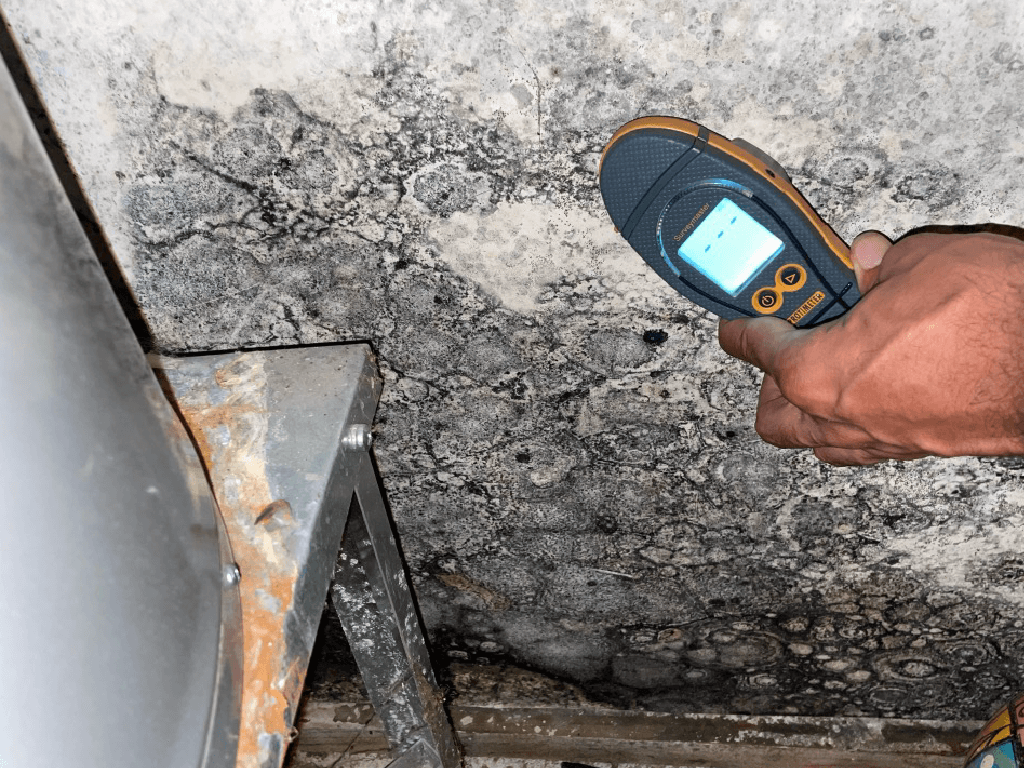
Moisture trapped inside walls or crawl spaces creates conditions where mold can develop. Even in Colorado’s drier environment, enclosed spaces retain humidity after water damage.
The ANSI/IICRC S520 Standard for Professional Mold Remediation governs containment and removal procedures. When mold is present, we establish containment barriers and use HEPA filtration to reduce airborne spore spread. Materials beyond restoration are removed carefully, and affected surfaces are cleaned to reduce mold spore levels to normal indoor conditions.
“We serve everything from older brick homes in Golden to modern builds in Highlands Ranch and commercial properties across Jefferson and Denver Counties. After years working in Colorado’s freeze-thaw cycles, we understand how burst pipes and snowmelt affect framing, insulation, and flooring systems. Fast extraction and controlled drying protect those materials before hidden moisture causes deeper structural problems.”
Dan Powell, Owner, Rytech Restoration of Greater Denver
Structural Inspection and Material Evaluation
Water exposure impacts different materials in different ways. Hardwood may cup or crown. Drywall can lose compressive strength. Insulation often holds moisture and delays drying.
Using moisture meters and infrared imaging, we inspect flooring systems, wall cavities, ceilings, and foundations. Decisions are based on measurable data, not surface appearance. Materials that can be restored are dried in place whenever possible. Materials beyond structural integrity are removed in a controlled manner and documented.
Preserving materials when feasible reduces downtime and protects property value.
Salvaging Personal and Commercial Contents
Flooding affects more than structural components. Furniture, electronics, business inventory, and important documents often require specialized care.
Our team sorts items into restorable and non-restorable categories. Restorable contents are cleaned and disinfected using professional methods. For commercial properties in Arvada, Lakewood, or Englewood, packout services allow operations to continue while mitigation progresses.
Protecting contents reduces financial loss and supports operational continuity.
Insurance Claims and Clear Documentation
Many property owners only navigate the insurance process after experiencing a loss. Clear documentation supports efficient communication between property owners, adjusters, and carriers.
We document affected areas with photographs, moisture readings, and detailed scope reports aligned with IICRC standards. Organized reporting provides transparency and supports accurate claim evaluation.
Insurance professionals value measurable data. Property owners benefit from a structured and guided process.
Cleaning and Sanitizing Affected Areas
Once structural drying is complete, cleaning begins. Surfaces exposed to contaminated water are treated with EPA-approved disinfectants according to manufacturer instructions.
Materials beyond restoration are removed. Remaining structural elements are cleaned thoroughly to reduce bacteria, residues, and odors. This step prepares the space for safe occupancy and reconstruction.
For residential and commercial properties throughout Jefferson County and surrounding counties such as Adams, Arapahoe, Douglas, and Broomfield, sanitation restores confidence in the indoor environment.
Coordinating the Repair Phase
After mitigation and cleaning are complete, the project transitions to reconstruction. Utilities and insulation are prioritized to restore building functionality quickly.
Rytech specializes in mitigation and restoration rather than replacement services, but we coordinate closely with licensed contractors to support full structural recovery. Clear communication ensures a smooth transition between phases.
Preventing Future Water Damage in Denver
Proactive measures reduce repeat losses. Installing and maintaining sump pumps protects finished basements in Littleton and Westminster. Insulating pipes reduces freeze-related bursts during Colorado winters. Regular roof and gutter maintenance prevents snowmelt intrusion.
Proper grading directs water away from foundations. Routine plumbing inspections identify aging supply lines before failure. These steps strengthen long-term property resilience.
Cost Factors and Budget Planning
Restoration costs depend on measurable variables: affected square footage, water category, duration of exposure, and material types.
A small appliance leak in a Centennial condo differs significantly from a large-scale commercial loss in downtown Denver. Transparent estimates allow property owners and managers to plan responsibly.
Clear scope documentation creates financial clarity and supports informed decisions.
Timeline for Water Damage Restoration
Most projects move through defined stages: emergency response, mitigation, structural drying, cleaning, and coordination for reconstruction. Drying often requires several days, depending on saturation levels and environmental conditions.
Large commercial properties or prolonged exposure extend timelines. Ongoing monitoring and communication keep stakeholders informed at every stage.
Measured progress produces predictable outcomes.
Choosing a Certified Restoration Company in Greater Denver
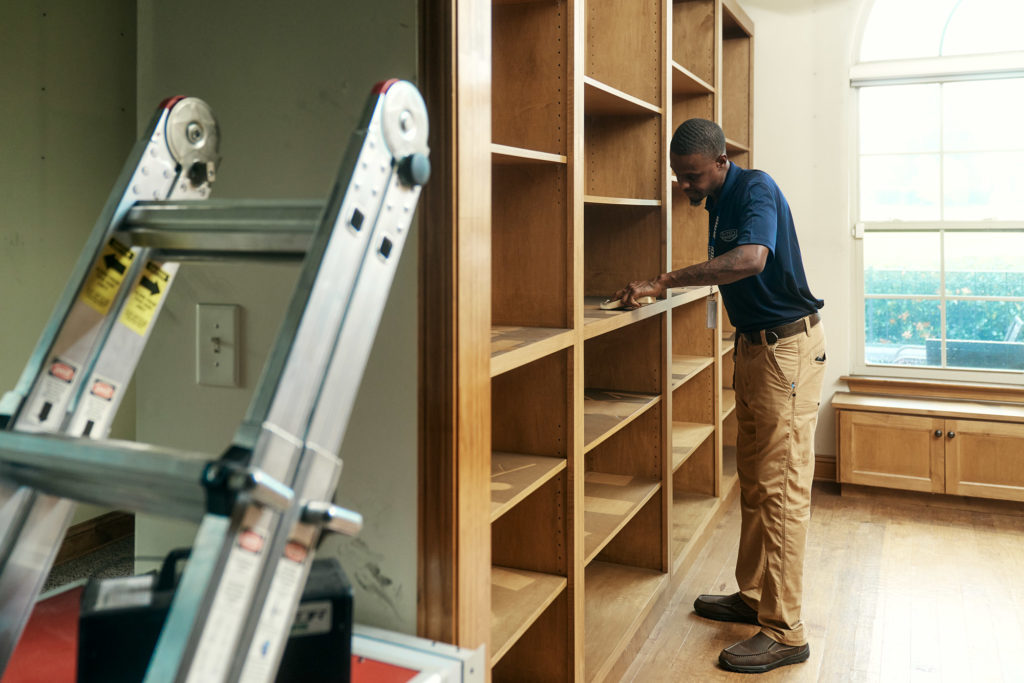
Selecting a restoration company requires attention to credentials and experience. IICRC-certified technicians follow recognized standards such as S500 and S520. Local knowledge of Denver’s freeze-thaw cycles, snowmelt patterns, and building styles adds practical expertise.
Rytech Restoration of Greater Denver delivers rapid response, advanced drying technology, detailed documentation, and a customer-focused approach. We prioritize restoring materials whenever possible and remove only those that cannot be salvaged.
If flooding has impacted your home or commercial property in Denver, Lakewood, Golden, Arvada, or anywhere in Jefferson County, taking immediate action will protect your structure and contents.
FAQs: Answering Your Pressing Water Damage Restoration Questions
At Rytech Greater Denver, we know that dealing with water damage can feel overwhelming. To help make things easier, we’ve put together a list of frequently asked questions to guide you through what to expect. From how our restoration process works to what happens during each step, these FAQs are designed to give you clarity, confidence, and peace of mind when you choose us to restore your home or business.


