
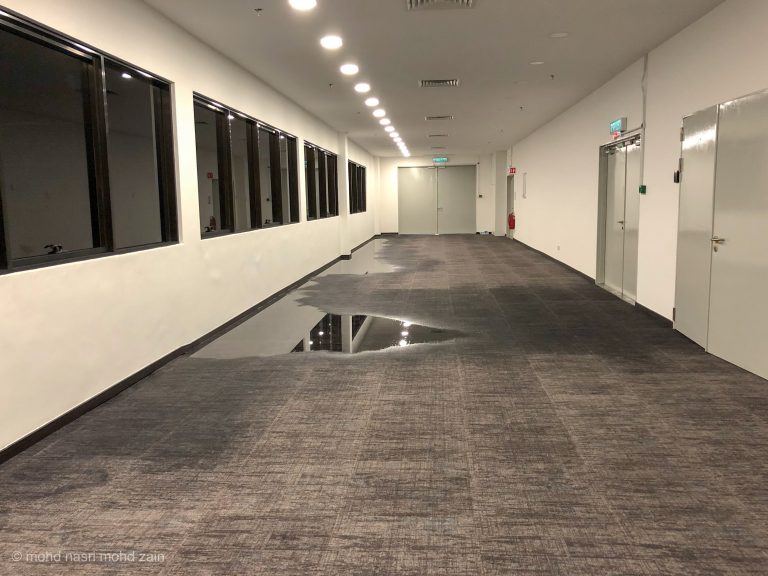
When water damage strikes, quick action makes all the difference.
If you live in the Denver area, you know how unpredictable water damage can be. From frozen pipes in the winter to basement leaks after heavy spring snowmelt, even a few inches of water can cause major headaches — especially if not handled correctly.
When it happens, many homeowners and property managers try to take matters into their own hands. Towels, fans, or a rented dehumidifier seem like an easy fix. But is that really enough?
"As the owner of Rytech Restoration of Greater Denver, I’ve seen both sides — the quick DIY attempts that seem to work at first, and the costly damage that shows up weeks later when hidden moisture turns into mold, odor, or structural decay."
Dan Powell, Owner, Rytech Restoration of Greater Denver
The truth is, water damage restoration is more than just drying what you can see. It’s about finding, measuring, and completely removing all moisture — even the kind trapped inside walls, floors, and insulation.
Let’s break down the difference between DIY cleanup and professional water damage restoration in Lakewood, so you can make the right call for your property, your health, and your peace of mind.
Understanding Water Damage: It’s What You Can’t See That Causes Trouble
When water leaks or floods into your home or business, it doesn’t stay put. It seeps deep into porous materials like drywall, wood, and carpet padding — where it can’t be seen or felt.
That’s why professionals rely on the ANSI/IICRC S500 Standard for Professional Water Damage Restoration — the industry’s evidence-based guide for classifying, drying, and verifying water damage.
The Three Categories of Water Damage
- Category 1 – Clean Water: From a sanitary source, like a burst pipe or supply line.
- Category 2 – Gray Water: Moderately contaminated water, such as washing machine overflows or sump pump failures.
- Category 3 – Black Water: Heavily contaminated water from flooding, sewage, or storm runoff.
Each type requires different safety and cleanup procedures — and using the wrong methods can make things worse.
The DIY Route: What Most People Try
When water damage happens, your first instinct is to act fast — and that’s good. Speed is critical. But without the right training and tools, DIY cleanup often only tackles the visible surface.
Common DIY Cleanup Steps
- Using towels, mops, or shop vacs to remove standing water.
- Setting up box fans or heaters to “air out” the room.
- Opening windows to improve airflow.
- Cleaning visible areas with bleach or household cleaners.
These steps can help reduce initial damage, but they don’t eliminate hidden moisture. That’s where bigger problems begin.
Why DIY Cleanup Often Fails
- Hidden Moisture: Water spreads under baseboards, behind walls, and beneath flooring.
- Mold Growth: Mold can begin forming in as little as 24–48 hours, even in Denver’s lower humidity.
- Limited Equipment: Household dehumidifiers and fans can’t pull moisture from deep inside materials.
- Air Pressure Imbalance: Improper airflow can actually push moisture deeper into walls.
- Insurance Problems: DIY cleanup rarely includes the documentation insurers require for claims.
Professional Water Damage Restoration: Why Rytech Is the Better Choice

At Rytech Restoration of Greater Denver, we take a scientific, certified approach to water damage restoration. Our goal isn’t just to clean up water — it’s to restore your property safely, quickly, and completely.
Certified Expertise
Our technicians are IICRC-certified and trained in the S500 Standard of Care — the national benchmark for proper water mitigation and drying. Every job follows a proven process to ensure safety, accuracy, and accountability.
Advanced Equipment
We use thermal imaging cameras, hygrometers, and moisture meters to locate trapped water — even behind walls or under floors.
Our industrial-grade air movers and dehumidifiers use the science of psychrometry (controlling airflow, humidity, and temperature) to ensure complete drying.
Health and Safety First
We apply EPA-approved antimicrobial treatments to help reduce microbial growth and prevent odors.
If water is contaminated, we take proper containment and disinfection measures to protect your health.
Insurance Documentation
We provide detailed moisture readings, progress photos, and final verification reports that meet insurance standards — saving you time and stress when filing a claim.
DIY vs. Professional: The True Cost of Each
| Factor | DIY Cleanup | Professional Restoration (Rytech) |
|---|---|---|
| Upfront Cost | Low | Moderate |
| Hidden Damage Risk | High | Low |
| Drying Accuracy | Guesswork | Scientifically measured |
| Mold Prevention | Not guaranteed | Controlled and monitored |
| Insurance Documentation | None | Fully compliant |
| Long-Term Cost | High | Lower overall |
DIY cleanup may seem cheaper at first, but once secondary damage sets in — like mold growth, flooring damage, or drywall replacement — those costs can skyrocket.
When DIY Might Be Okay — and When It’s Time to Call Rytech
DIY Might Work If:
- The spill is small, clean water, and confined to a nonporous surface (like tile).
- You can fully clean and dry it within 24 hours.
Call Rytech If:
- The water came from a broken pipe, storm, or flood.
- The water has soaked carpet, drywall, or cabinetry.
- You notice musty odors, staining, or warping.
- It’s been more than a few hours since the water intrusion.
- You’re managing a commercial or multifamily property.
The Rytech Water Damage Restoration Process
- 24/7 Emergency Response (Within 4 Hours) – We respond quickly to stop the spread and begin drying.
- Inspection & Moisture Mapping – Identify the source, category, and extent of the water damage.
- Water Extraction – Remove standing and trapped water efficiently.
- Drying & Dehumidification – Apply industrial drying systems for full structural drying.
- Cleaning & Sanitization – Disinfect, deodorize, and treat affected areas.
- Monitoring & Documentation – Track daily progress and moisture levels.
- Final Verification – Confirm the structure meets IICRC moisture standards.
Why Denver Properties Need Professional Help
Denver’s environment presents unique challenges when it comes to drying and restoration:
- Freeze-thaw cycles cause frequent pipe bursts in winter.
- Snowmelt and spring rain can lead to basement flooding.
- Low humidity at altitude makes surface drying faster but hides deep moisture.
- Commercial properties need fast, documented drying to resume operations safely.
Take the Next Step: Protect Your Property Today
If your home or business in Denver, Aurora, Lakewood, Littleton, Centennial, or Thornton has experienced water damage, don’t wait — the longer water sits, the worse the damage becomes.
Rytech Restoration of Greater Denver offers 24/7 emergency response and IICRC-certified technicians who know how to dry your property quickly, safely, and completely.
FAQs: Answering Your Pressing Water Damage Restoration Questions
At Rytech Greater Denver, we know that dealing with water damage can feel overwhelming. To help make things easier, we’ve put together a list of frequently asked questions to guide you through what to expect. From how our restoration process works to what happens during each step, these FAQs are designed to give you clarity, confidence, and peace of mind when you choose us to restore your home or business.


